Analysis of DrugHub Market
Comprehensive operational history and feature review of the decentralized ecosystem.
Executive Summary
DrugHub Market operates as a decentralized hidden service utilizing the Tor network for anonymous routing. Observers note that the platform was established to provide a heavily encrypted environment for the exchange of digital goods, physical items, and specialized services. The architecture prioritizes cryptographic ledger privacy, primarily through strict integration with the Monero (XMR) network.
The platform functions on a strict passwordless paradigm, utilizing Public Key Infrastructure (PKI) to manage user authentication without storing vulnerable hash data on server clusters. This approach mitigates numerous attack vectors traditionally leveraged against hidden services.
Technical Architecture
Cryptographic Escrow
The service utilizes a traditional escrow system augmented by modern multisignature wallet protocols. This structure requires consensus between multiple cryptographic keys before funds are released, ensuring neither the platform administrators nor participating entities retain unilateral control over digital assets.
Walletless Modalities
Unlike earlier generations of hidden services, independent research indicates DrugHub Market employs a walletless order flow. Users are not required to hold standing balances on the platform's internal servers. Instead, discrete transactions are funded directly from external, self-custodied wallets to unique, single-use receiving addresses.
PGP Implementation
Pretty Good Privacy (PGP) is structurally mandatory for communication parsing. The platform’s backend automatically strips unencrypted message headers, enforcing end-to-end encryption between all communicating nodes within the ecosystem.
Historical Timeline
Community & Statistics
- Consensus Mechanism: Multi-Sig
- Supplier Verification: Bond Required
- Primary Currency: XMR Only
- Node Status: Distributed
Supplier verification requires significant cryptographic bonds, ensuring a high threshold for entry. Community consensus indicates a decentralized trust model relying heavily on user-generated cryptographic proofs.
Interface Architecture Review
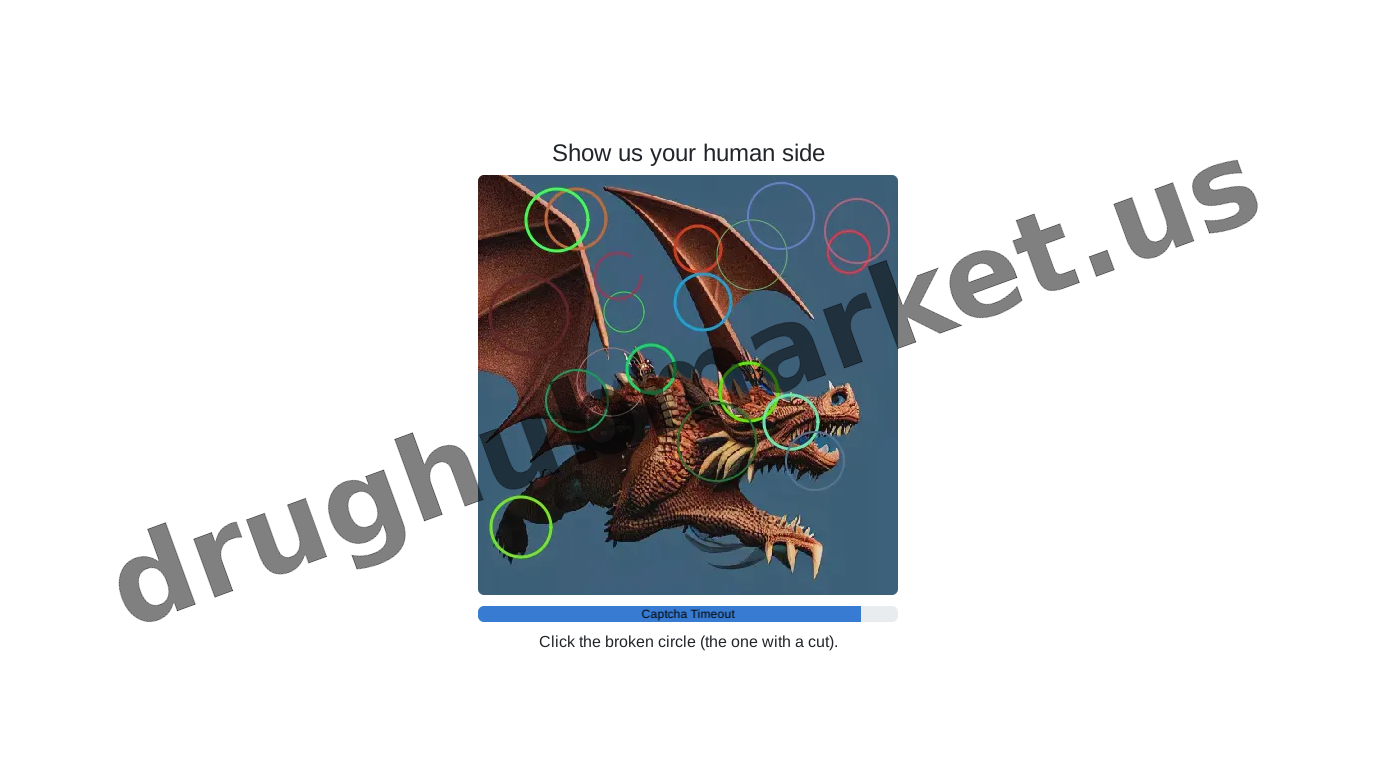
Fig 1. DDoS Protection Screen
Initial defensive layer validating incoming Tor circuit requests.
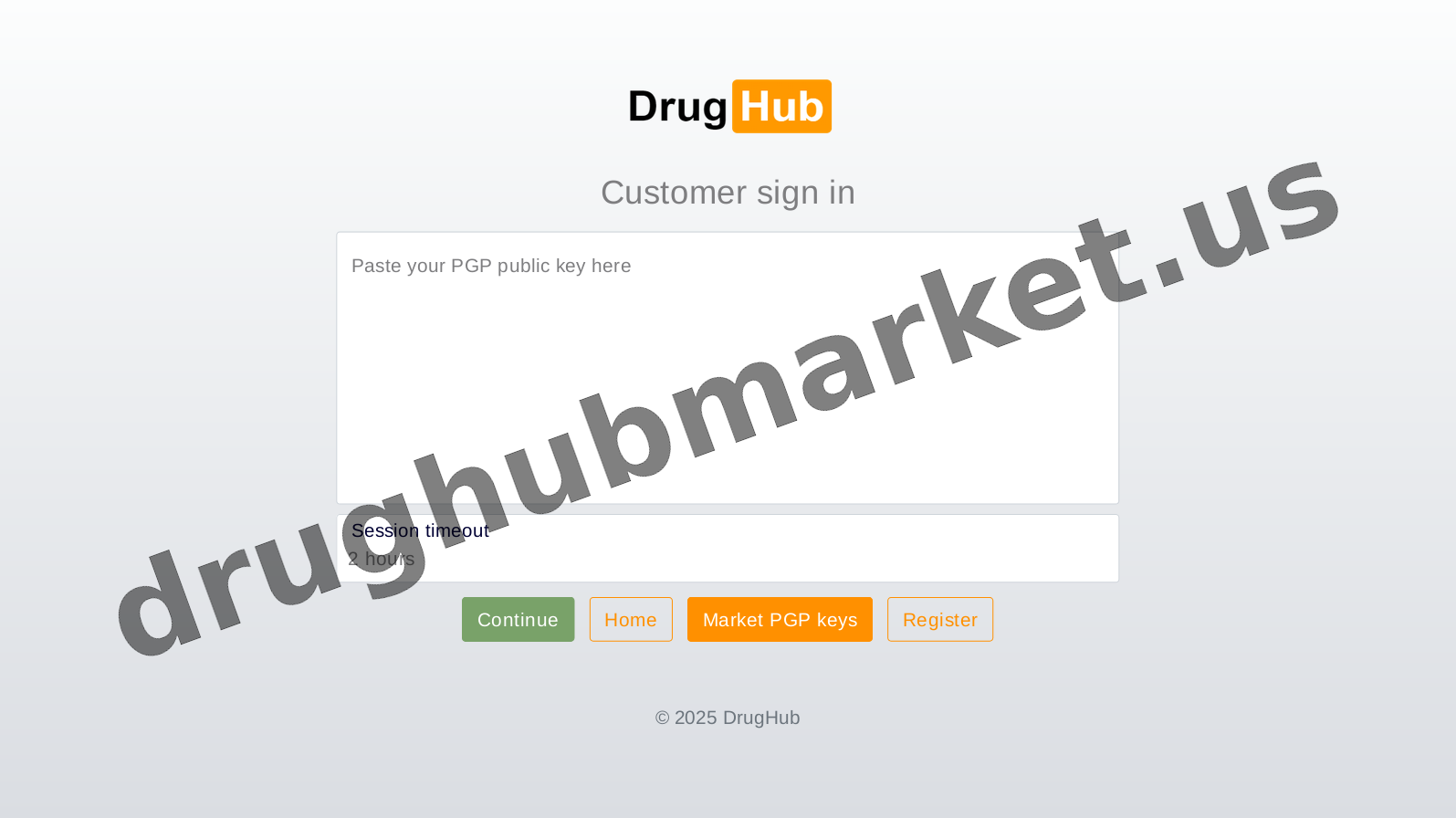
Fig 2. User Login Interface
Passwordless, purely PGP-driven authentication module.
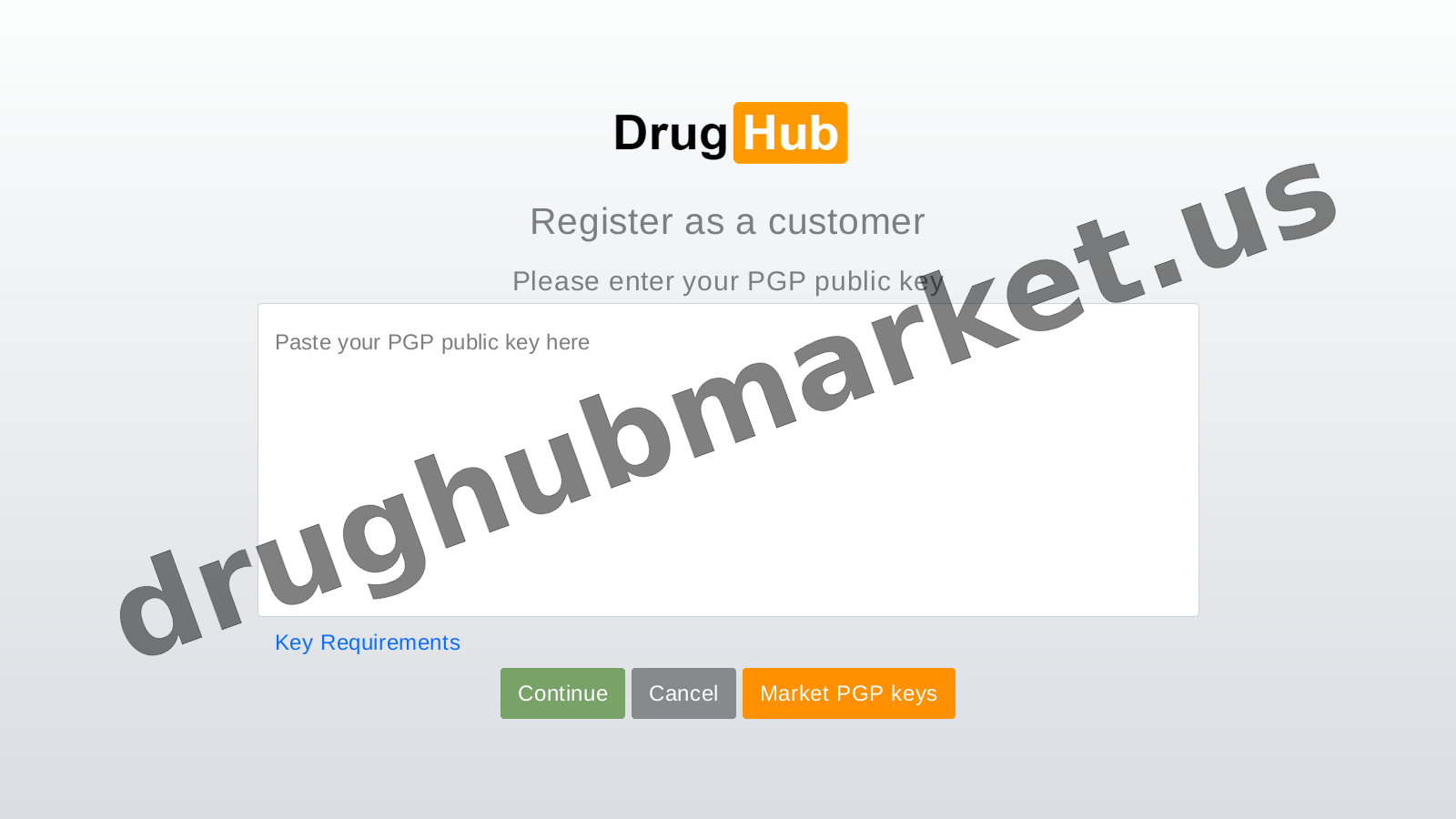
Fig 3. Account Registration Page
Public key submission and identity establishment block.
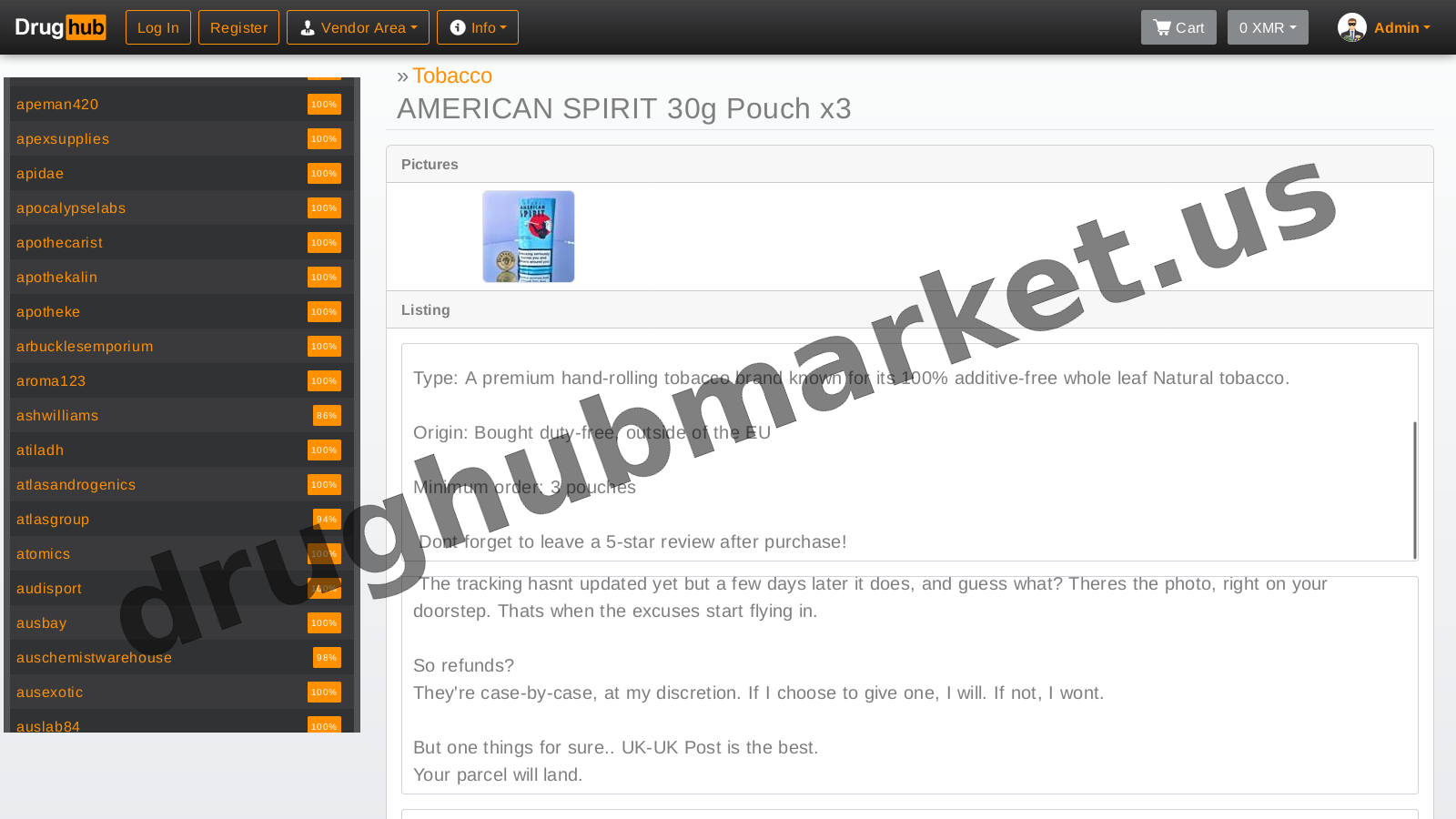
Fig 4. Main Market Dashboard
Internal routing interface showing categorized listings.